
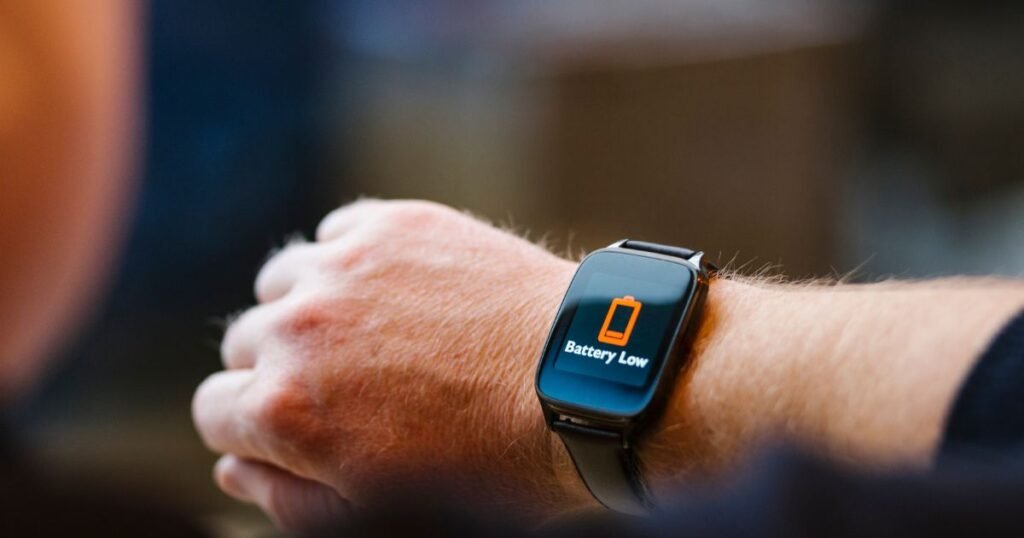
The quest for a longer-lasting smartwatch is nothing new—battery life remains one of the top concerns for wearables enthusiasts. With so many models on the market, finding smartwatches with long battery life can be challenging. In this article, we’ll explore why battery life is so crucial, how different factors affect it, and which watches genuinely stand out as the best battery life smartwatch options. By understanding the trade-offs and looking at real-world performance, you’ll be better equipped to choose a device that fits your daily (and nightly) needs.
1. Why Battery Life Matters
1.1 All-Day (and All-Night) Tracking
Modern smartwatches do more than just tell time. They track your steps, monitor your heart rate, analyze your sleep, and deliver notifications from your phone—sometimes even making calls and streaming music. To get the most out of these features, you need a watch that can keep up without constant recharging, particularly if you’re relying on sleep tracking or 24/7 heart-rate monitoring.
1.2 Wearable Convenience
The beauty of a smartwatch lies in its ability to blend into your daily routine. Having to remove your watch for charging multiple times a day—or even daily—can break that seamless experience. By contrast, a device boasting multi-day or week-long battery life can significantly reduce “battery anxiety.”
1.3 Outdoor Adventures
If you’re a runner, hiker, or outdoor enthusiast who relies on GPS tracking, extended battery life is even more vital. Using GPS continuously is one of the quickest ways to deplete a watch’s battery. A best battery life smartwatch can last through a long hike or marathon without conking out mid-adventure.
1.4 Economic and Environmental Factors
Watches with a long battery life may also prove more economical over time. Fewer charging cycles could theoretically extend the battery’s overall lifespan—an eco-friendly plus. While this benefit may be marginal, it’s still a consideration for those who prefer to keep a watch for several years.
2. What Affects Smartwatch Battery Life?
- Display Technology
- OLED/AMOLED panels often use less power when showing darker colors or utilizing always-on display modes. By contrast, LCD screens can consume more power in certain scenarios.
- High brightness also drains the battery faster, especially outdoors in bright sunlight.
- Processor Efficiency
- Newer chipsets generally bring better power management. Qualcomm’s Snapdragon Wear series, Samsung’s Exynos, or Apple’s S-series chip can have varying degrees of efficiency based on their generation.
- Operating System
- Wear OS, watchOS, Tizen, or proprietary systems (Garmin, Fitbit, etc.) each have unique approaches to power optimization. Some systems integrate better with specific hardware, leading to improved battery efficiency.
- Connectivity Options
- Built-in GPS, Wi-Fi, NFC, and LTE can all heavily impact battery consumption. Devices with LTE or always-on GPS may see significantly shorter battery life.
- Occasional usage of GPS or turning off LTE can result in substantially longer usage times.
- Additional Sensors and Features
- Continuous heart-rate monitoring, stress tracking, SpO2 sensors, and advanced sleep tracking can be power-intensive.
- Disabling or reducing the frequency of these metrics can help conserve power if battery life is your main priority.
- User Behavior
- How often you interact with notifications, check your watch face, or use apps for streaming music or making calls can drastically reduce battery life.
- Implementing a power-saving mode when you’re not actively using the watch can extend your device’s uptime.
3. Top Smartwatches with Long Battery Life
Below, we’ll examine several smartwatches with long battery life, highlighting their main features and real-world performance. While definitions of “long battery life” vary, we’ll focus on devices known to surpass the typical 1–2 days most mainstream watches provide.
3.1 Garmin Fenix 7 Series
Why It Excels
- Garmin’s Fenix lineup has a reputation for extraordinary endurance. The Fenix 7 models can last anywhere from 7 to 18 days in typical smartwatch mode, depending on features enabled. With conservative settings or “battery saver mode,” it can stretch even further.
- Designed for outdoor adventurers, the Fenix 7 includes robust GPS modes (multi-band GNSS, ultratrac) and can also track altitude, weather changes, and advanced training metrics.
Key Features
- Sapphire or solar charging options (in some variants) to incrementally boost battery.
- Comprehensive fitness suite: from VO2 max calculations to daily workout suggestions.
- Built like a tank, with water resistance up to 10 ATM, making it ideal for intense sports or expeditions.
Potential Trade-Offs
- Bulkier and heavier than a typical lifestyle watch, especially if you choose the larger 51mm version.
- Premium price tag aligns with its advanced feature set.
3.2 Huawei Watch GT 3 Pro
Why It Excels
- Huawei’s Watch GT series is synonymous with prolonged battery life. The GT 3 Pro can last up to 14 days on a single charge under moderate use, or around 7–8 days with heavier features (constant GPS tracking, multiple notifications, etc.).
- Blends health features (heart-rate, SpO2, stress) with a sleek design and an AMOLED display that’s surprisingly power-efficient.
Key Features
- Proprietary HarmonyOS watch software, which is optimized for Huawei’s hardware.
- High-quality build and premium materials (ceramic or titanium variants).
- Strong focus on health metrics, including ECG in some regional models.
Potential Trade-Offs
- Ecosystem limitations: not all apps or integrations are available outside Huawei’s environment.
- Some features, like ECG, may be region-locked.
3.3 Amazfit GTR Series
Why It Excels
- Amazfit GTR models (e.g., GTR 3 Pro) typically tout 14–21 days of battery on light usage, and around 7 days with heavier usage. These devices are a sweet spot for users seeking a stylish watch with decent fitness tracking and extended battery life.
- Zepp OS (formerly Amazfit OS) is relatively lightweight, which aids in power conservation.
Key Features
- Vibrant AMOLED screens that cleverly manage power consumption.
- Range of sports modes, sleep tracking, stress monitoring, and SpO2 checks.
- Competitive pricing compared to other brands, making it a best battery life smartwatch contender on a budget.
Potential Trade-Offs
- Notification handling and third-party app support are more limited compared to Wear OS or watchOS.
- Some software features may lack the polish of more established ecosystems.
3.4 Fitbit Versa 4 / Sense 2
Why They Excel
- Fitbit focuses heavily on health metrics, typically achieving 5–6 days of battery life on a single charge. While this doesn’t match the multi-week endurance of Garmin or Amazfit, it still outperforms many Wear OS or Apple devices.
- The Versa and Sense series deliver robust sleep tracking, heart-rate analysis, stress management (EDA sensor in the Sense), and a user-friendly interface.
Key Features
- Extensive health ecosystem via the Fitbit app, known for motivational features like badges and community challenges.
- Lightweight build, comfortable for continuous wear, including sleep tracking.
- SpO2, ECG (Sense 2), and guided mindfulness sessions.
Potential Trade-Offs
- More limited smartwatch functions compared to, say, a full Wear OS device or Apple Watch.
- Some advanced analytics require a Fitbit Premium subscription.
3.5 Samsung Galaxy Watch5 Pro
Why It Excels
- An improvement over the standard Galaxy Watch series, the Watch5 Pro boasts a larger battery capacity, typically lasting 2–3 days with moderate usage—quite strong for a Wear OS device.
- Tailored for fitness enthusiasts with features like GPX route tracking, improved durability, and a more robust band design.
Key Features
- Wear OS 3 integration with Samsung’s One UI Watch overlay, enabling access to Google apps.
- Comprehensive health suite: heart rate, SpO2, body composition analysis, etc.
- Charging speeds have also improved, reducing downtime.
Potential Trade-Offs
- Though 2–3 days is solid for a Wear OS watch, it’s still short compared to Garmin or Amazfit.
- Best optimized for Samsung phone users (e.g., certain features exclusive to Galaxy devices).
4. Practical Tips to Extend Battery Life
Even the best battery life smartwatch needs some optimization to reach its full potential. Here are a few tips:
- Adjust Screen Brightness and Timeout
- Lowering brightness or shortening the screen timeout can significantly reduce power draw, especially on AMOLED panels.
- Disable Always-On Display
- Turning off always-on mode can often double your watch’s lifespan if you’re okay with tapping or tilting to check the time.
- Limit Notifications
- Continuous buzzes for every app can drain battery. Prioritize essential alerts to minimize consumption.
- Switch Off Unused Sensors
- If you don’t need 24/7 SpO2 or stress tracking, consider disabling them or adjusting intervals for scanning.
- Leverage Power-Saving Modes
- Many watches include a battery saver or ultra mode, shutting down non-essential features while preserving time and basic health metrics.
- Close Background Apps
- Some Wear OS or watchOS devices run multiple apps in the background. Manually closing or limiting background processes can free resources.
5. Frequently Asked Questions (FAQ)
- Can any smartwatch really last multiple weeks on a single charge?
- Yes, certain models like the Garmin Instinct or some Amazfit devices can achieve two weeks or more in basic smartwatch mode. The trade-off is often reduced “smart” functionality (fewer apps, lower-resolution screens, etc.).
- Is battery life better on proprietary OS watches versus Wear OS or watchOS?
- Typically, proprietary systems like Garmin’s or Amazfit’s are more lightweight, resulting in better battery longevity. Wear OS and watchOS are full-featured, which often impacts battery life.
- Does solar charging make a huge difference?
- Solar editions (in some Garmin models) can extend battery life if you spend significant time in bright sunlight, but it’s usually a marginal gain rather than a complete game-changer.
- How accurate are manufacturer battery claims?
- Real-world battery life usually differs from advertised numbers. Usage patterns—like GPS frequency, screen brightness, or app usage—can drastically alter results.
- Which watch is best for GPS-heavy use, like marathon training?
- Garmin Fenix or Forerunner series excel, as do certain Polar or Coros devices. These brands emphasize extended GPS use, often surpassing 20–30 hours in dedicated training modes.
6. Making Your Decision
Choosing from the smartwatches with long battery life depends on balancing your needs. If you’re a hardcore outdoor enthusiast who needs weeks of power, Garmin or Amazfit might be your best bet. If you want the polished feel of Wear OS or Apple Watch but still want a couple of days’ battery, Samsung’s Galaxy Watch5 Pro or Fitbit’s Sense/Versa series could be more suitable.
- Lifestyle vs. Adventure: If you’re mostly in an office setting, a device offering 3–5 days may suffice. But if you’re trekking off-grid, a watch with multi-week longevity and robust GPS is indispensable.
- Ecosystem Integration: Samsung devices pair beautifully with Galaxy phones, while Wear OS is more universal for Android users. Garmin and Fitbit have robust companion apps focusing heavily on fitness, and Apple Watch remains top-tier for iPhone owners (though battery life is typically 18–36 hours).
- Price vs. Features: Longer battery life might come with trade-offs in features like high-resolution touchscreens or a large app store. Conversely, a full-blown Wear OS watch is feature-rich but typically needs daily or every-other-day charging.
7. Conclusion
In a sea of wearables, battery life can be the deciding factor that transforms a smartwatch from a gadget you enjoy briefly to a companion you rely on daily. Whether you need the best battery life smartwatch to accompany you on backcountry expeditions or simply want a few extra days of freedom from the charging dock, the market offers a range of solutions.
By understanding the role of display technology, processor efficiency, and your own usage habits, you can zero in on a watch that meets or exceeds your battery expectations. Meanwhile, following tips like disabling always-on display or limiting notifications can help you squeeze out even more power between charges.
If you’re also curious about broader trends in the wearables market, be sure to check out our Best Smartwatches 2025 guide to see upcoming innovations and design shifts. And if long battery life isn’t your only concern—maybe you’re eyeing advanced health features on a tighter budget—take a look at our comprehensive overview of Affordable Smartwatches with ECG Feature. Armed with the right insights, you’ll find a smartwatch that not only fits your wrist but also runs as long as you do.